Written by: Aidan Larned (strategist) & Michael Whitham (senior creative)
Helium 09: Chaos and its Opposites

Written by: Aidan Larned (strategist) & Michael Whitham (senior creative)
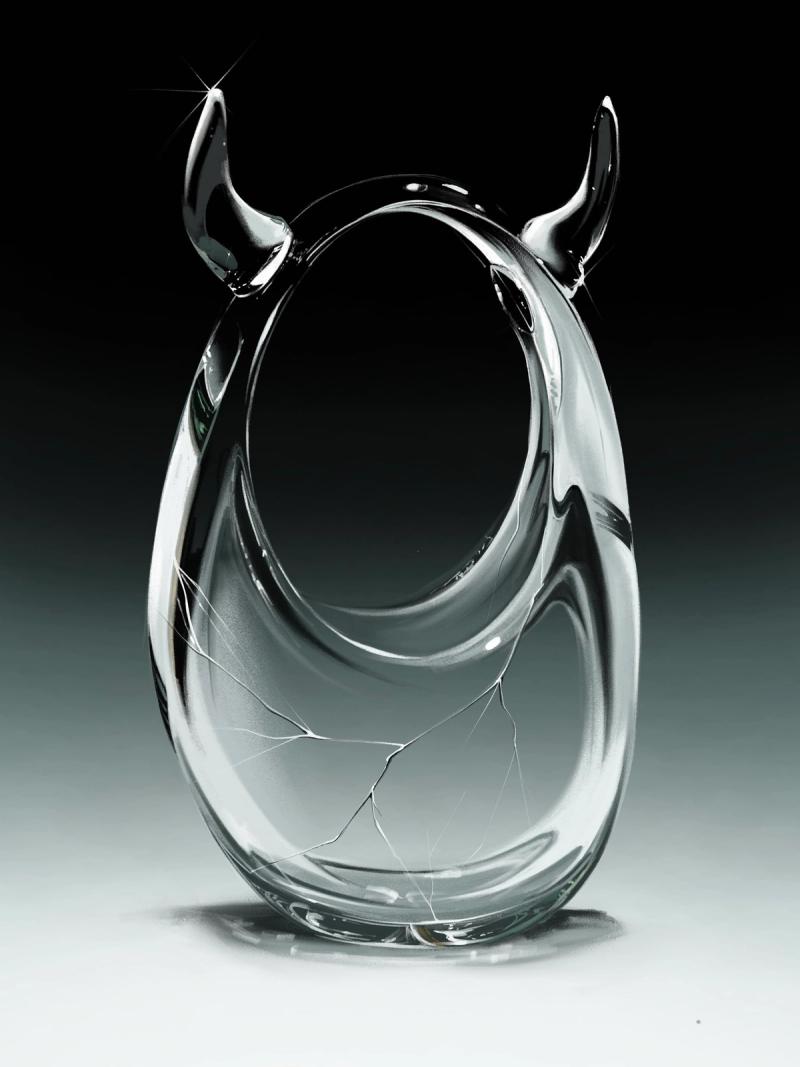
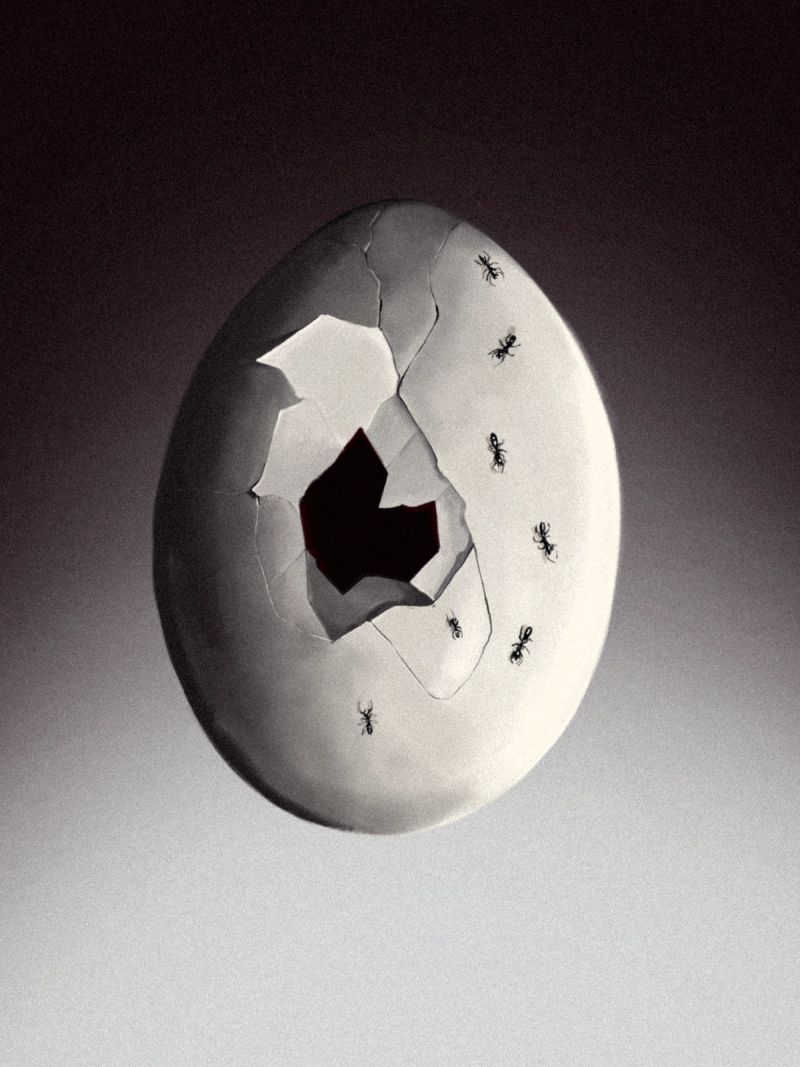
Last year the U.N. Secretary-General António Guterres warned us that the world is entering “an age of chaos” — this seems to be a lagging indicator. Geopolitical instability, economic turbulence, climate disintegration, and digital fragmentation have unsettled our lives, scrambling the coordinates we once used to make sense of them.
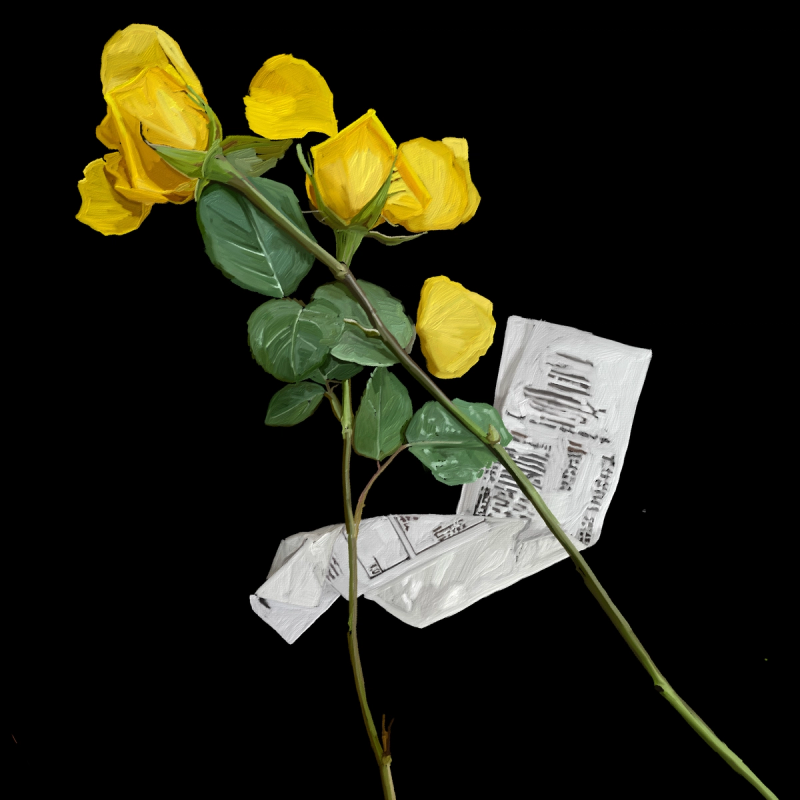
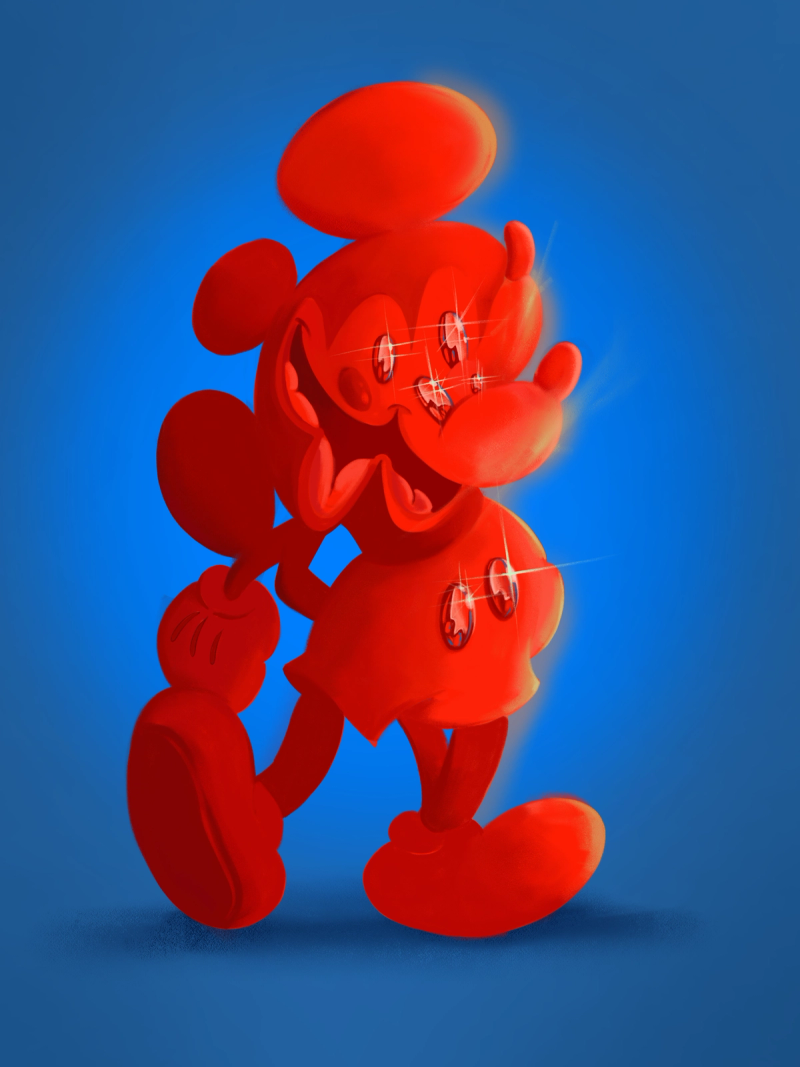
Culture and consumer choices have transformed into moorings to which we might anchor ourselves, adrift in times of stress and uncertainty. We are buffeted about by chaos, so we seek comfort in what might be considered its opposites: ever-increasing convenience, comfort, self-optimization, curated serenity, quiet luxury, and cozymaxxing. Sex and alcohol are out, spirituality is in. Culture is relentlessly nostalgic, and what is nostalgia if not the opposite of chaos? We romanticize not only cultural eras, but difficult periods of our own pasts feel ‘easier’: at least they are contained, fixed, graspable and controllable — not chaotic like the current moment.
Our desperate grasp at control is not contained to cultural and personal retrospection. In Always Be Optimizing, Jia Tolentino suggests that we’ve internalized the logic of efficiency so deeply that even our attempts at self-care become performances of productivity — rituals not of reflection or restoration, but of control. Social media has taught us to perceive ourselves as brands, and we increasingly try to build Kardashian-esque lives that function like brands: seamless, productive, and frictionless.
Convenience, another friction-free “friend,” is the consumer lubricant of our efficiency — a defining logic of the recent consumer age. As Great Entrepreneurs Magazine described it:
“Social commerce is transforming shopping into a seamless experience, with platforms like TikTok enabling users to purchase products directly during live events. At the same time, consumers expect diverse payment options, including ‘Buy Now, Pay Later’ (BNPL) services and the adoption of open banking for seamless transactions is on the rise. Quick delivery services, fueled by platforms such as Blinkit and Roadie, have become essential as consumers demand same-day or even hyper-fast delivery.”
The complexity of actually doing anything — from cooking for ourselves, to shopping, to making an appointment — gets collapsed into “user-friendly” dashboards that signal a coterie of precarious minimum wage contract workers to get on their bike and take care of our needs. We optimize not just for speed or ease, but for emotional insulation — a buffer against friction, fatigue, and uncertainty. And at what cost?
Convenience can become an ideology — a way of refusing difference and surprise, J.P. Hill points out in Convenience Is Killing Us. When we chase ease too relentlessly, we flatten life into something efficient but anemic. We swap out the chaos of the rich unknown for the stupefaction of sterile ease. But there is much to be found in discomfort, in the unexpected, in chaos.
Byung-Chul Han’s The Expulsion of the Other argues that our cultural desire to eliminate difference — to make everything smooth, digestible, and the “same” — is a form of spiritual impoverishment. Chaos is often where what he would call “the other” lives: the contradiction, the difficult emotion, the foreign perspective, the uncomfortable truth. When we remove chaos, we remove the conditions under which empathy, creativity, and deep understanding flourish. We turn people into data points, debate into outrage, and design into sedation.
Where Byung-Chul Han observes a problem, Jamais Cascio’s The Age of Chaos calls for a shift: from control to resilience, from prediction to adaptability. If the world is no longer stable, then our ways of thinking, working, and being must learn to dance with uncertainty — not just shield against it. Not surrendering to noise, but rather embracing the “productive edges” of chaos — the parts of the mind and world that don’t quite fit, but spark newness. Anyway, true order is never permanent — not in the personal, commercial, or geopolitical. It’s provisional, conditional, and ready to evade you again as quickly as you found it. It is the constant, not the exception.
So what if we stop treating chaos like a storm to wait out? What if we treat it like a studio, a lab, a rehearsal space? What if people stopped trying to “become the best version” of themselves and instead constantly experimented and metamorphosed, awkwardly and honestly?
Some brands aren’t resisting this shift — they’re already living in it. Craig Green’s Spring 2026 menswear show, with its ghostly floral bedsheets, LED halos, and models silently carrying lengths of fabric in their mouths, treated the runway not as a site of order but as a dreamlike laboratory. Telfar by Telfar Clemens channels a chaos-inspired spirit. While the mainline brand is known for its “Bushwick Birkin” bags, the wider Telfar universe moves unpredictably, slipping between categories without explanation — from durags to parties, to a TV show, or something entirely unbranded. It doesn’t follow cycles. It doesn’t announce what it is. It simply appears, uncontained and uninterested in legibility. Adult Swim’s 2024 return, with its surreal midnight drops, anti-structure storytelling, and refusal to explain itself, reasserted the network as a space where chaos isn’t feared but ritualized. Confusion becomes coherence for those willing to stay in the noise.
As brand strategists, we are frequently tasked with finding order: structured ways to understand, frame, and communicate ideas. And we often approach brand-level strategy as a kind of stillness. It is a process of finding one’s center or core ethos, a point of view that resists noise, trend, and expectation. A process we believe has deep value. Clarity of identity isn’t the opposite of chaos; it’s what allows you to meet it. When a brand knows who it is, it can embrace improvisation without fear of incoherence, experiment without losing itself, and move through change with self-awareness rather than panic. It allows us to use chaos to build richer, more exciting, more engaging brand platforms.
As Charli XCX put it: “life is chaos and chaos is life”.
Published: October 2025
Illustration by Fernando Monroy