Written by: Aidan Larned (strategist) & Michael Whitham (senior creative)
Helium 10: The Sand in the Oyster
Written by: Aidan Larned (strategist) & Michael Whitham (senior creative)
Elon Musk recently announced that we have entered the Singularity. A.I. systems are writing their own code, and recursive self-improvement, once the preserve of science fiction, is edging into the plans of major companies. The question is not what will machines make but what will humans continue to make?
Human creativity has never been defined by speed, scale, or efficiency. It has been shaped by difficulty, by error and contradiction, by the awkwardness of wanting something you do not yet know how to express. What frequently distinguishes work as human is not polish but residue, the imprint of a person wrestling with something unresolved. If artificial intelligence excels at fluency, then what remains distinctly human may be friction.
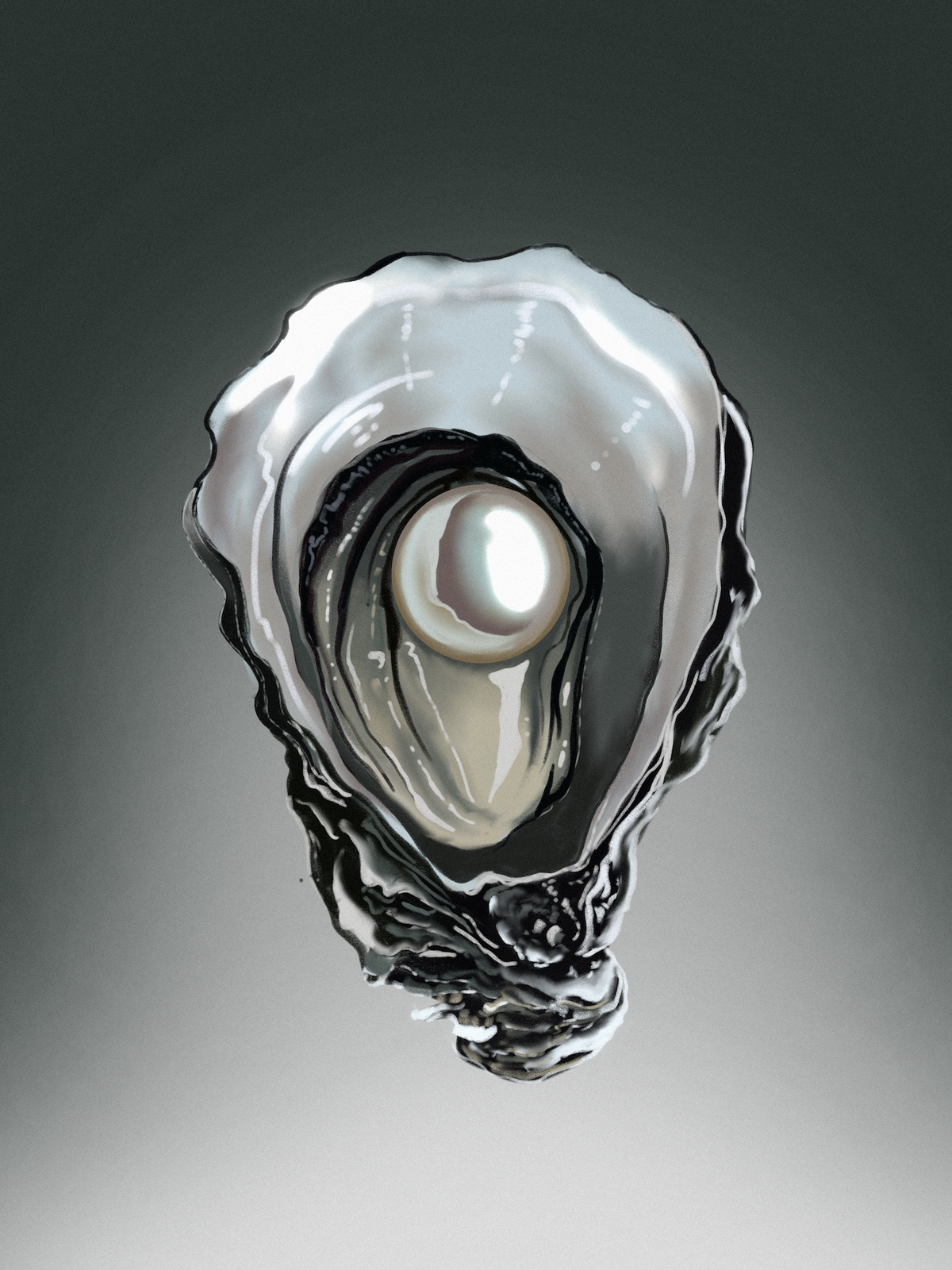
In an interview last year, the artist Justin Vivian Bond described being transgender as the grain of sand in her oyster—the irritation that ultimately produced the pearl that is her expansive, creative life. The pearl does not form despite the irritation; it forms because of it. Discomfort, then, is generative, not incidental.
While creativity is increasingly discussed as endangered, this idea feels potent. Anxiety about artificial intelligence has intensified a broader unease: the fear that originality is being squeezed out by systems optimized for replication and control. There is a temptation for brands to treat A.I. as a way to meet demand at the expense of discovering and confronting what they actually want to say. The pursuit of the abundant and the algorithmically satisfying comes at the expense of what makes a brand unique: their point of view.
Marc Steimer has noted that a counter-movement is emerging. In response to the frictionless perfection of A.I., many premium brands are embracing visible imperfection—grainy textures, asymmetrical layouts, hand-drawn lines. Not because they are nostalgic, but because these gestures suggest that a human was here. Imperfection has become a signal of authorship. When anything can be generated, marks of context, care, and contradiction intrigue viewers.
Algorithms do not create in the human sense. Drawing from existing material, they produce statistically plausible outputs. They recombine. The result is a creeping sameness: language that sounds optimistic but feels vacant. Blandness, however, is not neutrality. It is a refusal to acknowledge the grain of sand and scratch its resulting itch. By contrast, creativity has always emerged from reaction; a willingness to be affected and to respond.
The works by Claude-Joseph Vernet, Georgia O'Keeffe and Jasper Francis Cropsey featured in the National Gallery of Art's 'Finding Awe' tour were not curated through frictionless efficiency. Wonder and amazement cannot be optimized. It requires time, attention, and presence. Psychologist Dacher Keltner's team has shown that the simplest instruction - look longer - can unlock these states. What matters is staying with the painting, the object, the person in front of you. Depth, not accumulation.
The same forces that flatten creativity also flatten connection. As Laura Pitcher writes in Dazed, we now live in "catch-up culture": friendships reduced to scheduled debriefs and life updates, where we recap our days instead of actually inhabiting them together.
The alternative is to welcome contradiction and place experience, not efficiency, at the heart of the work. To build things collaboratively that carry the marks of their making. We help clients not only refine their voice but stay in touch with the human depth behind it: influences, tensions, and lived contexts that no model can convincingly improvise.
In that context, generative A.I. is less like a replacement for human creativity and more like a handy studio assistant. One that can be genuinely useful when we're untangling logistics, mapping scenarios, or pressure-testing how a story, system or idea might behave. It can clear some of the drudgery that makes creative work harder. But because it is ultimately a tool of amalgamation, it won't give you a point of view. It can't decide why something matters, or to whom. As the baseline of competent, generic output rises, our work becomes even more about the opposite: the knotted, specific, hand-finished character of a brand design or an artwork that could only suit one client, one context, one set of lived experiences.
In a recent It's Nice That editorial, Poppy Thaxter proposes that "showing your workings has never been more important", specifically as a reminder that creativity is not instantaneous output, but a sequence of decisions, objections, and revisions.
Machines do not experience irritation. They do not feel wonder. They are not unsettled by contradiction or moved by beauty. They do not carry a lifetime of sand into their output. Humans do, if we allow ourselves to. That means resisting the urge to smooth everything over, and staying with the work when it becomes uncomfortable or unclear. As Kathryn Jezer-Morton argues in The Cut, our tolerance for friction is itself under attack by technologies designed to make difficulty feel like a flaw, rather than a feature of a rich and complex life. Jezer-Morton prescribes "friction-maxxing" — "the process of building up tolerance for 'inconvenience' (which is usually not inconvenience at all but just the vagaries of being a person living with other people in spaces that are impossible to completely control)". It means inviting the grain of sand rather than sealing the shell.
Discomfort, then, is not a threat to be eliminated. It is a studio, a rehearsal space, a condition for transformation. Pearls are not inevitable, but without the grain of sand, without difference, difficulty, disruption, there is nothing to form around. Creativity remains distinct not because it outpaces the machine, but because it refuses to become one. The sand in the oyster isn't a flaw, it's the mechanism. That friction is what keeps us human. As we move further into what some are calling the Singularity, a moment where A.I. evolves itself, outpacing us, the role of creative work becomes even more vital. Not because it cannot be replicated in form, but because it cannot be replicated in origin. The task is not to polish away the roughness, but to keep working around it until something forms.
An L.L.M. was used to proofread this essay.
Published: March 2026
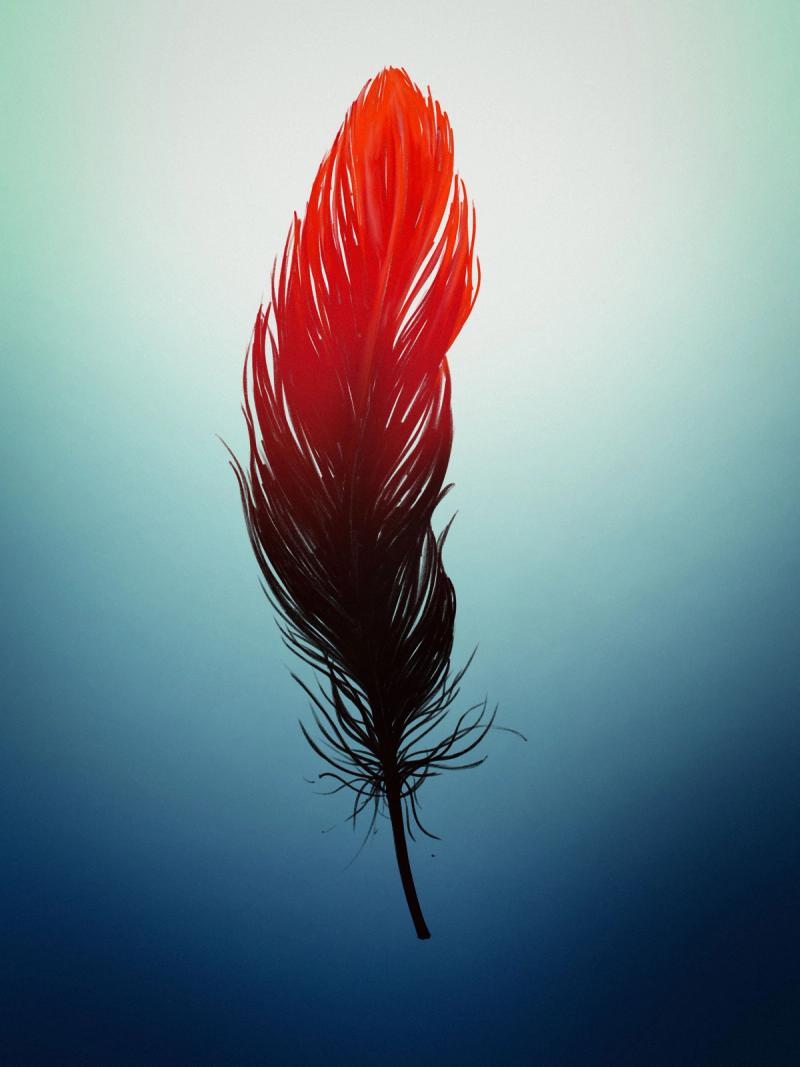
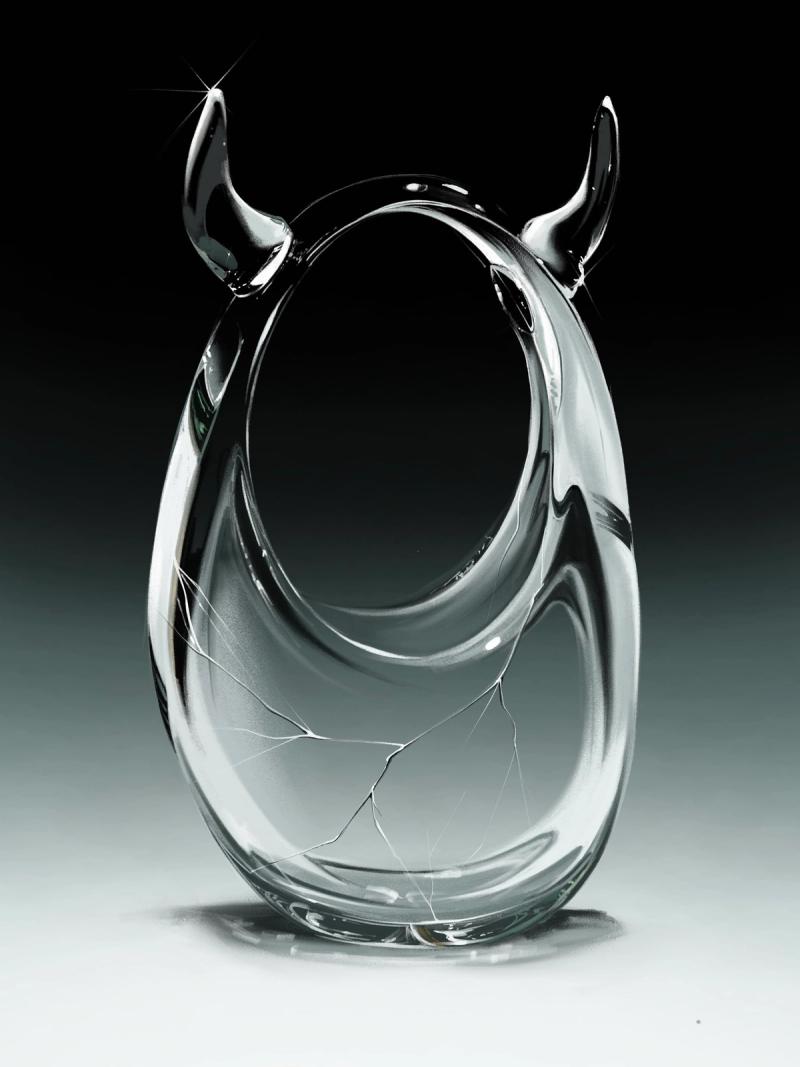
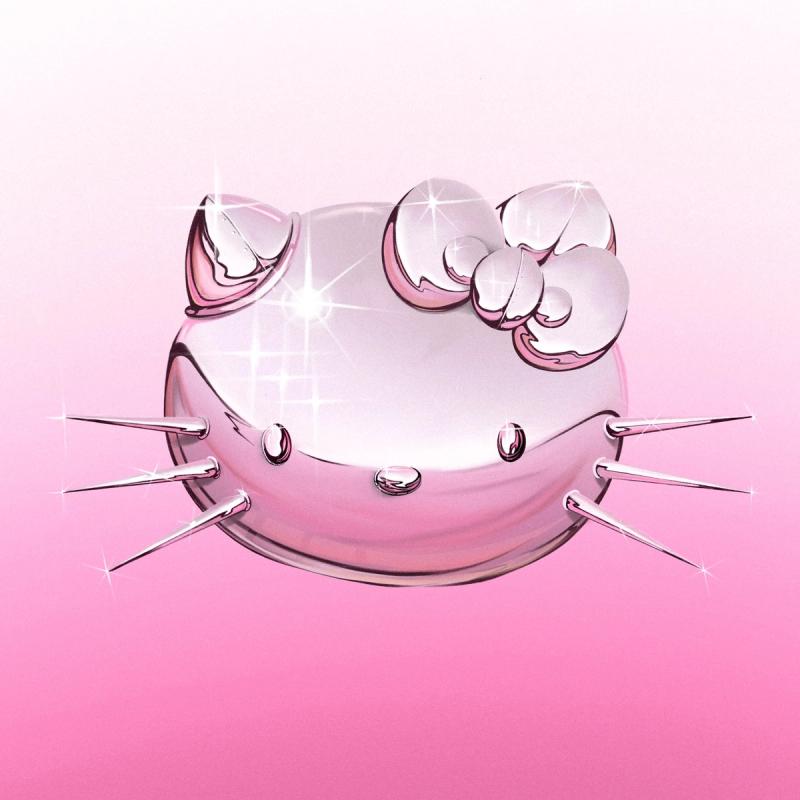
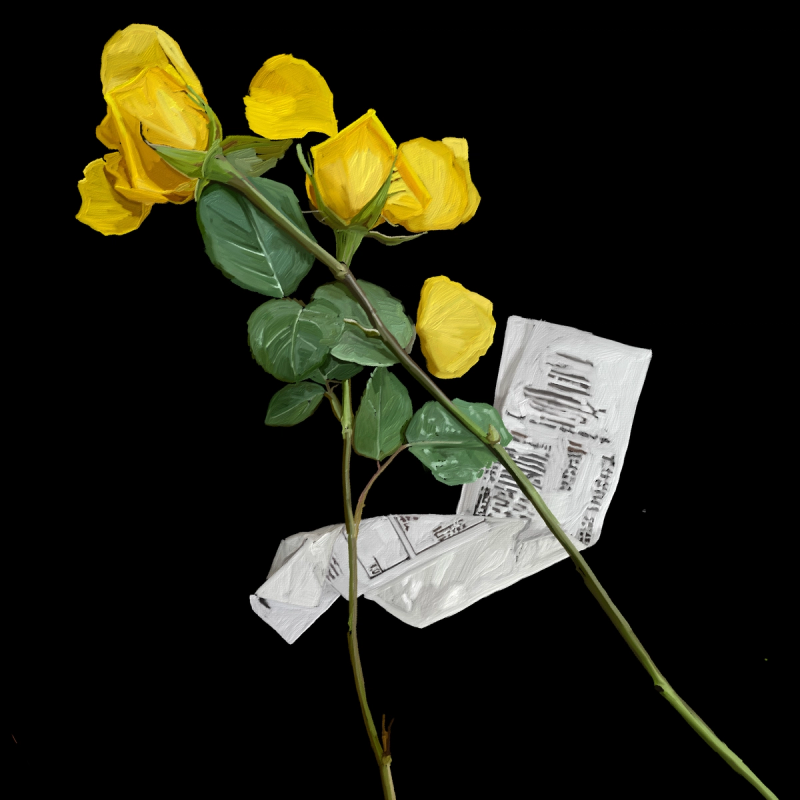
Illustration by Fernando Monroy