Written by: Michael Whitham (senior creative)
Helium 06: Soft Boys?
Written by: Michael Whitham (senior creative)
Internet culture thrives on extremes. In the attention-economy, conflict has a powerful knack of keeping us in its grip. We find ourselves magnetized to polemics and clickbait, susceptible to the quick-fix of a hot-take over the slower appreciation of nuance.
This has some particular consequences for the cultural pillars of “masculinity” online. We observe concerning trends, from extreme vanity like starvemaxxing to climate-change denialism to the even scarier realm of Andrew Tate and co’s deep misogyny and violence.
Perhaps because, as David Brooks succinctly said, “the culture is still searching for a modern masculine ideal”.
As brands seek to communicate with male audiences, how can we build platforms that steer clear of stereotypes and avoid the manosphere’s fetishization of an unequal (and non-existent) past, and instead help to build the world as we’d like to see it - more compassionate, more open, and kinder?
At Hugo & Marie we have long been interested in liminality - finding the in-between, the interstitial, the unexplored. We believe that humility, malleability, and a willingness to be unsure are the qualities that inspire us to learn and grow. They are how we forge more meaningful connections with others, and with ourselves.
Lately, we have been thinking about how liminality relates to the quality of softness. Softness can be an aesthetic choice - transitional colors and shades, an absence of hard edges or straight lines. It can be a sensorial choice - the selection of a fabric, a fragrance, or the fit of a garment. But it can also be a philosophical choice, about how a brand, a content strategy or a creative vision comes to life. Softness can be an energy: one that embraces change, flexibility and curiosity.
Softness is perhaps not the first word that comes to mind when thinking about “masculinity” or brands aimed at men. But that is precisely what makes it powerful - because it offers another way. Where unexpected forces come together (for example, masculine identity and softness), space opens up where a brand can cut through the noise and make its mark.
Think of Bode, a brand that “began with a collection of one-of-a-kind garments composed entirely of antique textiles and which continues to reinvigorate American menswear through the art of storytelling and preservation”. Or the success of Harry Styles' Pleasing where everything from the unisex products to the content to the branding convey warmth, ease and enjoyment. Even the Olympics, that bastion of aggressive hyper-competitiveness, were deeply influenced by the delicacy and elegance of their 2024 host city. The branding has embraced Art Nouveau inspired forms, pastel hues (including the beautiful track itself), gender-neutral uniforms by LVMH, and the cuteness and whimsy of Ugo Gattoni’s magical poster.
It can be tempting to feel that a brand aimed at men ought to code itself within The Man Box - eschewing emotion or expression in favor of conveying certainty, toughness and strength. But while those qualities can be fantastic (in both men and women equally), there is much to be gained from playing in a softer sandbox, and seeing what we might find.
Published: August 2024
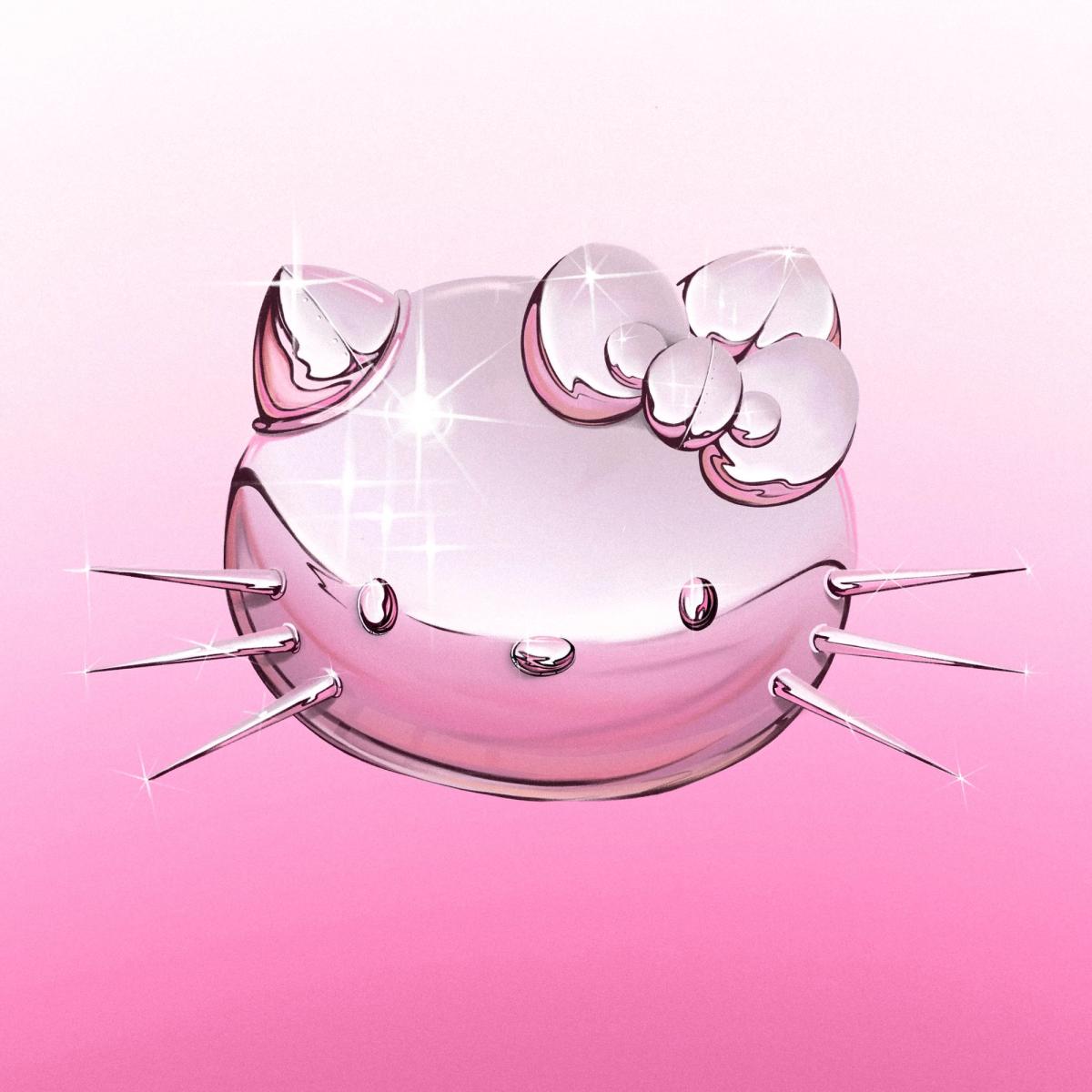
Illustration by Fernando Monroy