Written by: Aidan Larned (strategist) & Michael Whitham (senior creative)
Helium 01: Weird
Written by: Aidan Larned (strategist) & Michael Whitham (senior creative)
In our post-absurd, post-ironic, post-modern, post-postmodern, post-truth (?) culture, Aidan Larned (Strategist) and Michael Whitham (Creative) have been thinking about what it means to be weird in 2024.
adjective
suggesting something supernatural; uncanny.
verb
induce a sense of disbelief or alienation in someone.
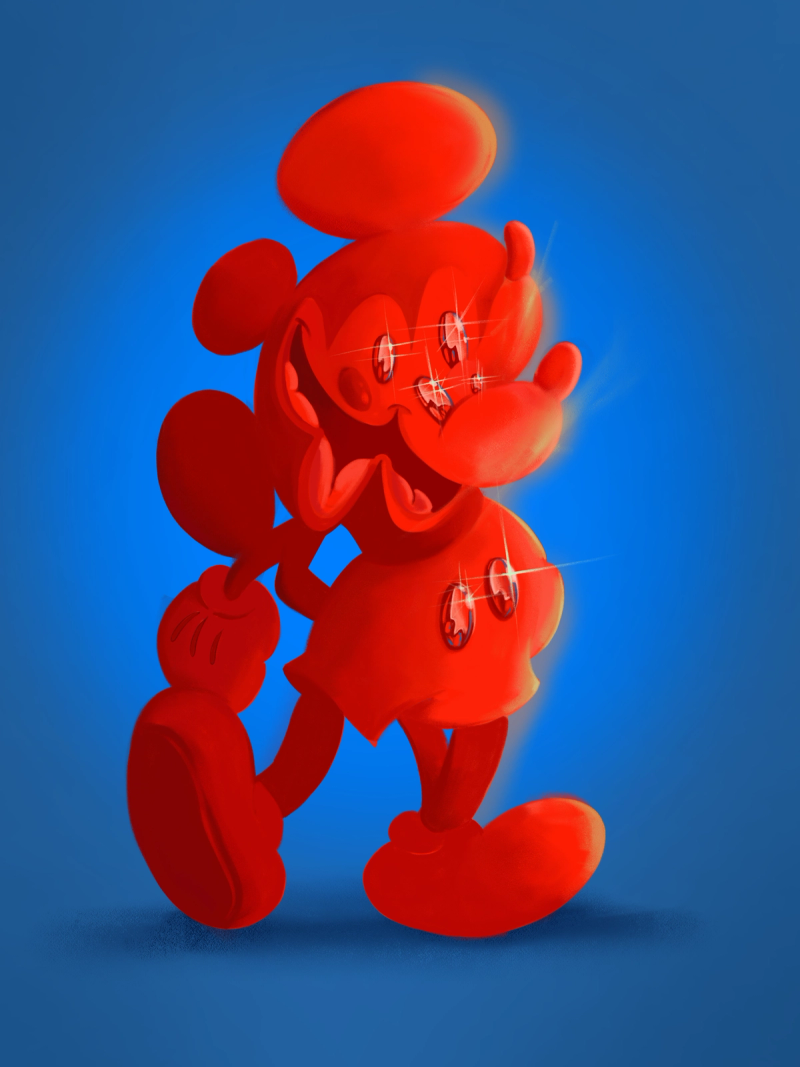
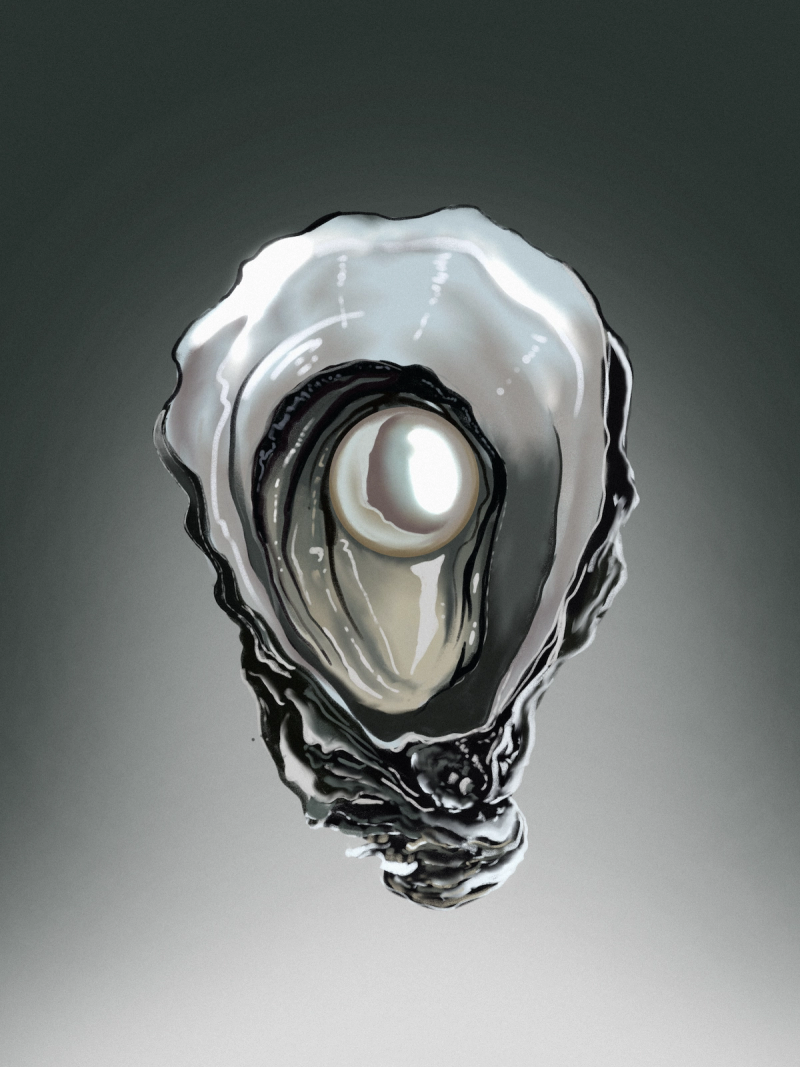
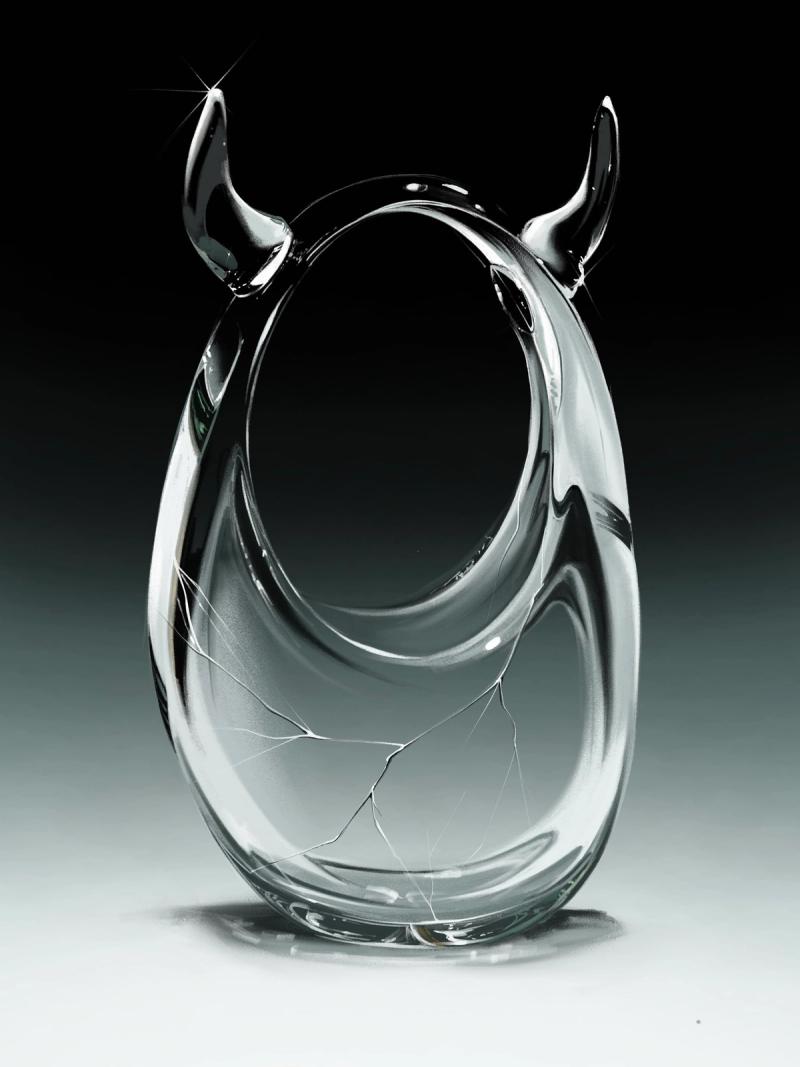
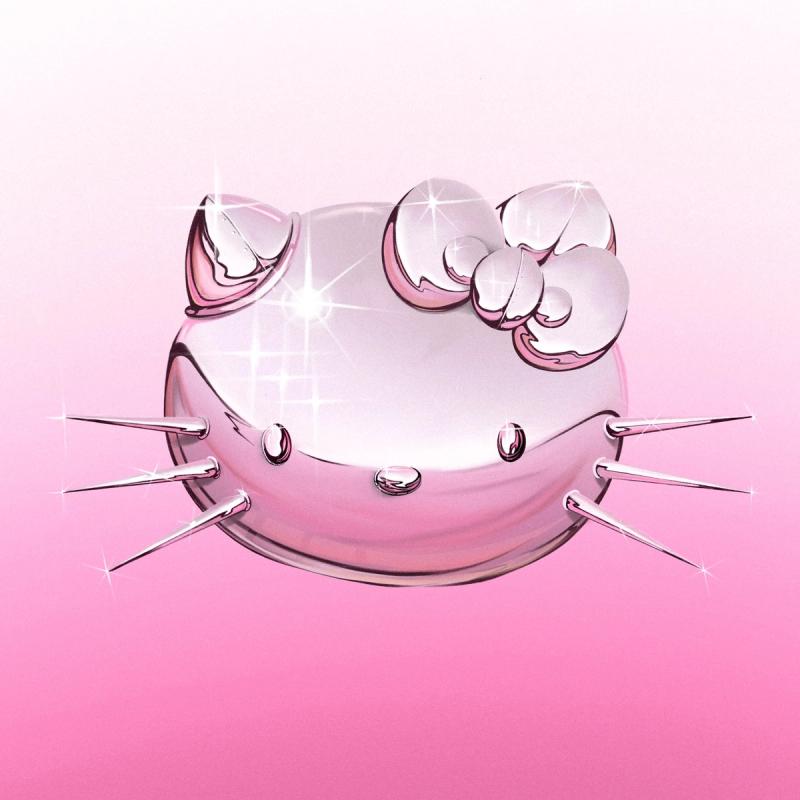
Weird is found in the impossible, the unreal, the unimaginable, and the unbelievable. Many of our favorite cultural outputs of late, from brands and individuals explore this arena.
horsegiirL is a newly global phenomenon. The DJ and singer hides her face behind a horse mask, executed to hyperrealistic effect. She has recently evolved from a nightlife fixture to a guest at Paris Fashion Week: her uncanny, humanoid naturalism bringing ideas of Posthumanism and Transhumanism to the Ottolinger front row. Balenciaga’s Romeo Mules explore gnomish proportions for the decrepit high-fashion elf. Mixie and Munchie, the pseudonymous women behind 2girls1bottl3, make TikToks that tap into the uncanny with technological perfection – from their makeup to their framing to their execution. Their visual language is as clean and consistent as Apple’s, but it manifests its beauty with post-ironic decadence. From animal faces to absurdist footwear (see also, Kerwin Frost’s Adidas collaboration or MSCHF’s infamous Big Red Boot), we’re witnessing unconventional approaches, bizarre cultural precision and unlikely reference points colliding in a world where algorithms reign, typically cultivating beige banalities.
This well-executed weird butts heads with some prevailing cultural headwinds. Perhaps we are drowning in the branding zeitgeist, but it seems obvious to speak on trends like: ever-quickening nostalgia cycles; the globalized aesthetic homogeneity of ‘airspaces’; the persistent conversation about quiet luxury. But the weird interrupts. And more than interrupting: it resonates. The weird has strength in its contrast. A swell of the absurd is all that can meaningfully rebuke the status quo.
As AI-powered creative tools continue to develop, it gets easier and easier to make beautiful, elegant things. We can iterate, tweak, and perfect with a few keys and a couple strokes. When everyone can generate competent visual output, imagination and intuition gain a premium over execution. As AI gets quicker and smarter, any idea can be executed rapidly to stunning effect while simultaneously pushing creatives to get weirder than ever before. The proliferation of AI begs us as humans to answer the question: “what would an aggregation of existing culture never come up with?”
Weird also gains traction in uncertainty. Our economy has been repeatedly forecast to collapse since a disproportionate post-pandemic boom, and indicators like high consumer confidence and tight labor markets are in contrast with lived realities of short-term spending with very limited saving. A return to the sense of intuition and exploration behind this strangeness seems a fitting reaction to such uncertainty. Within the weird expressions we find renewed delight, freedom, and intrigue. Brands are taking interest in trial and error that feels childlike–what can be done instead of what should be done. To us, the weird stems from a resounding interest in potentialities in the face of what may appear to be economic, social or creative constrictions.
We are realizing that we know less than we believed we did about the way of things. Developments in quantum physics suggest that everything may be sending subtle radiation signals, even lentils. But these underlying signals may imply an underlying energy. A vibration that is aligned with our intuitive choices of creative expression, references, and touchstones.
Free-associative, intuitive rightnesses are prioritized in the weird, forgoing obvious or straightforward alignment. In an age of chaos and uncertainty, we find that when we don’t know, we look for what we feel. Perhaps this is the next iteration of Justin Pickard’s Gonzo Futurist Manifesto, where ‘analytical polyglot[s]’ collapse in favor of... intuition?
The Oxford Dictionary of Phrase and Fable provides a now archaic Scottish definition of ‘weird’: “a person's fate or destiny”.
Weirdness is our destiny? We are excited.
Subscribe to Helium.
Published: March 2024
Illustration by Fernando Monroy