Written by: Aidan Larned (strategist) & Michael Whitham (senior creative)
Helium 03: Soul!
Written by: Aidan Larned (strategist) & Michael Whitham (senior creative)
We think a lot about algorithms. They have given brands, businesses and especially social media platforms an unprecedented amount of influence and insight. But where are they leading us? And do we want to go there?
In 2022, Toby Shorin predicted that we were moving “from an era where brands are designed to sell products to an era where brands are designed to be culture, to transform lives, to instill beliefs”. Consider the rise and rise of ‘wellness’ as simultaneously and interchangeably a ‘culture’ and a ‘market’, buoyed as it is by the juggernaut of social media. The burgeoning power of recommendation algorithms only serve to further entrench these tendencies.
We interact ceaselessly with recommendation algorithms: what we watch, what we listen to, what we order for lunch. They are a wonderful tool for discovering something that is “like” something we love. But there’s a catch. In Ed Finn’s article Algorithms Are Redrawing the Space for Cultural Imagination, he asserts: “We shape ourselves around the cultural reality of the code.”
Once the call and response format is known by users, we can scroll through our feeds with quicker discernment, linger only on the best, dole out more likes more strategically, or take the drastic measure of a comment. Like a cultural therapist, as the algorithm’s knowledge of us deepens, its advice is more precise, more sound. Our digital dance can be generative. Recommended songs, videos or products will be eerily, but perhaps welcomingly, valuable. Our responses to these recommendations then continue to shape what we’re exposed to quite directly. Finn notes, “The more we invest ourselves in these cultural machines, the further we proceed down a path of collaboration. More than a collaboration: a kind of co-identity.”
Insofar as our cultural preferences indicate a semblance of identity, this notion of a co-identity is grounded in a set of beliefs, preferences and behaviors that were carved from the smooth edge of the algorithm. This collaboration, at its worst, finds its way to your pockets as quickly as possible. At its best, the provided stimuli raise meaningful questions about what you like and a consequent self-investigation. But the outcomes are limited. When we filter our consumption via responses to an algorithm that is informed by past or lateral data, the future becomes more predictable.
At Hugo & Marie, when we try to codify our strategic approach to clients, our presentation often starts with:
“A unique point of view must be the soul of any business, and beauty and joy should be at the heart of any brand. No longer the mirrors of culture, the best brands are the makers of it. When a brand expresses something honest, genuine, and undeniable, the work finds its audience. We believe a deep commitment to looking inward in order to create is what makes a brand into a platform—a maker of culture.”
Today’s brands are incentivized to mine the past for what is proven in order to succeed within the context of the algorithm - but this is potentially at the cost of a future which could be more exciting, creative and diverse. The importance of data in the contemporary business landscape cannot be overstated, nor is it going anywhere. But for brands (just like for people), we believe there is just as much to be gained from stepping away from the algorithm. A brand can’t help but lag behind when it's chipped off of the block of the dataset.
The most meaningful brands have a hard-won perspective - a point of view formed not from reaction, but soul searching. With a unique opportunity to steer culture through unexpected, nuanced and unapologetically differentiated perspectives and expressions, brands have potential - and responsibility - well beyond algorithms.
The answer to what this looks like for any single brand is buried in a slew of subjective influences, personal preferences and exercises in judgment, and that is the real thrust of what a good brand strategy process can look like – a type of brand therapy that results in a unique, enduring perspective.
At Hugo & Marie we advocate looking inward, seeking the truly unknown and engaging with experimentation. Only then can we hope to avoid the hell of sameness and forge new ways of thinking that are true to all of our oddities.
Published: May 2024
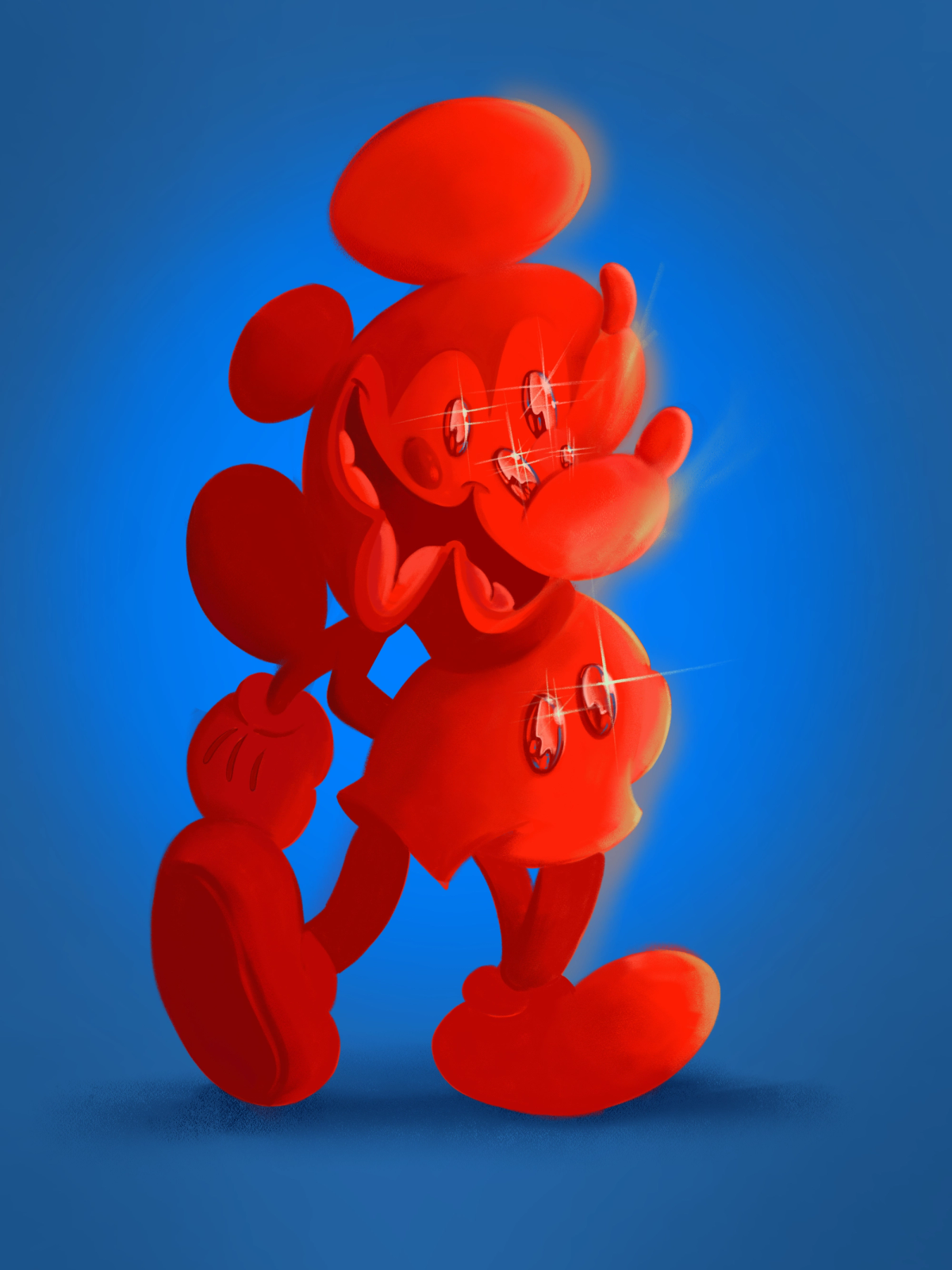
Illustration by Fernando Monroy